


Why do children walk on their toes?
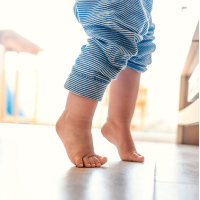
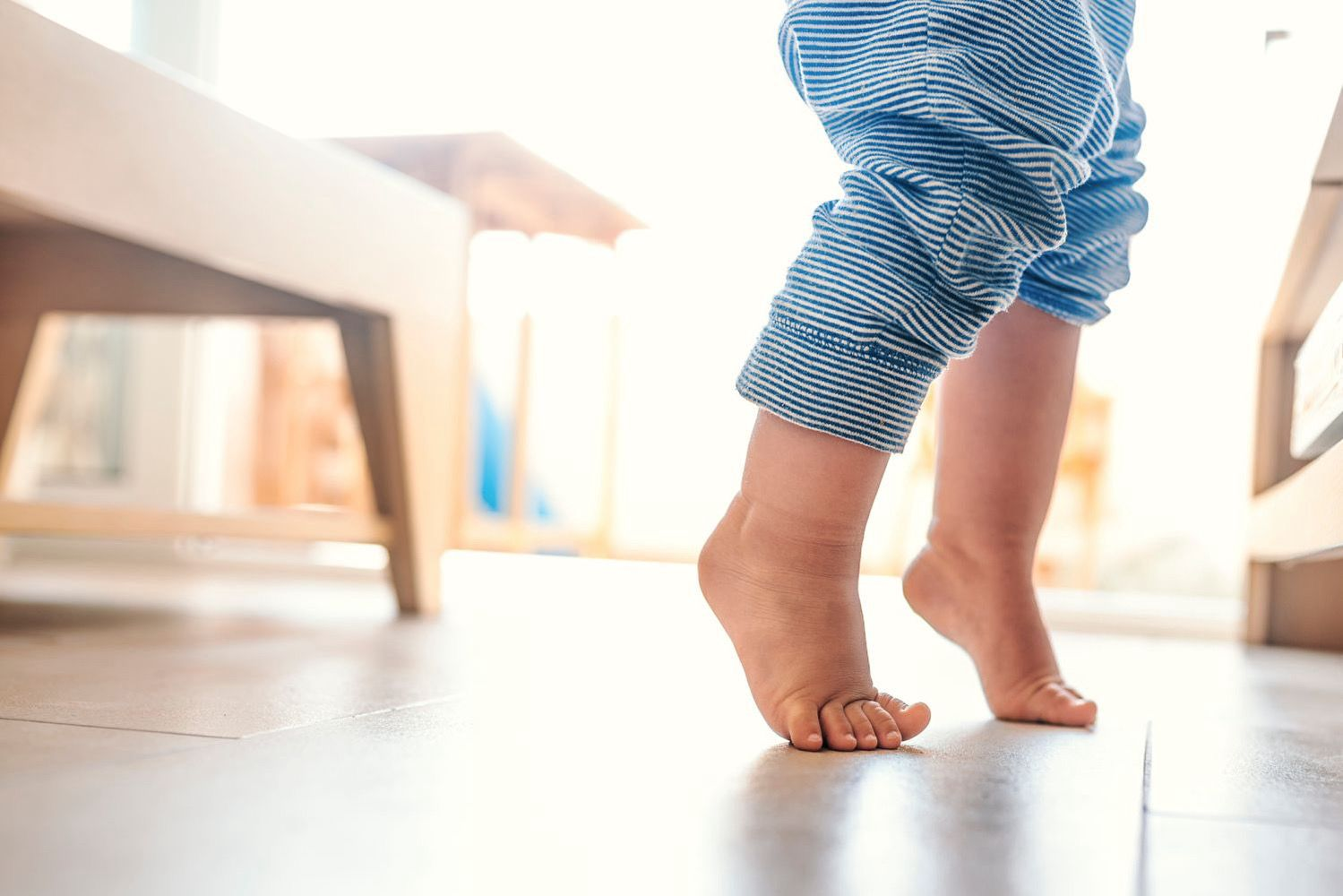
Many parents wonder why a child walks on their toes when there is so much space around to confidently step on the whole foot. In fact, up to a certain age, this is often simply part of a child’s big exploration of the world. The little one experiments with their body, tries different ways of moving, and enjoys new sensations. Sometimes a child stands on their toes simply because they want to seem taller or are trying to reach a desired toy on a high shelf.
Sometimes the reasons lie in emotions — a child may be so happy about dad coming home or a new game that they literally “take off” above the floor with excitement. The main thing is to observe whether this is just a momentary game or whether the child completely forgets that their foot also has a heel.
However, more often the answer to the question of why a child walks on their toes lies in increased muscle tone. This phenomenon is quite common among toddlers. As a rule, it does not require complex treatment, because it usually gradually disappears on its own if enough attention is paid to the child’s physical development.
What should parents do if a child walks on their toes?
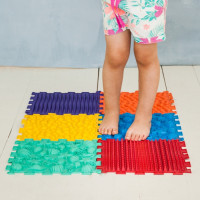
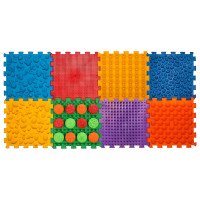
If a child walks on their toes, the first and most important thing is not to scold them or constantly force them to “stand properly.” This can only cause unnecessary stress. Instead, it’s better to create an environment where the child’s foot receives the right signals from different surfaces. Imagine how important it is for small feet to feel different textures: soft grass, rough sand, or smooth pebbles. At home, sensory mats help create this effect by imitating natural unevenness. When a child steps on such a relief surface, their brain automatically encourages the foot to lower fully to find support.
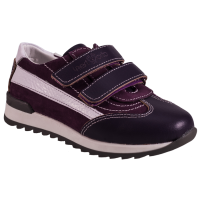
Also pay attention to footwear. If a toddler spends most of their time in socks on a slippery floor, it’s simply easier for them to run on their toes. However, proper children’s orthopedic footwear with a moderately firm heel counter and good fixation helps the child feel stable. These don’t have to be heavy boots — modern orthopedic slippers or sneakers do a great job as well, supporting the foot in the correct position and preventing it from constantly “slipping” up onto the toes.
When should you worry if a child walks on their toes?
Of course, parental vigilance is never unnecessary. It’s worth paying attention if an abnormal gait in children becomes the only way of moving. If a child walks like this more than half of the time they are awake, or if you see that it is physically difficult for them to place the foot flat due to strong tension in the calves, this is definitely a reason to consult a specialist.
It’s important not to miss the moment when walking on toes becomes not just a habit, but a consequence of physiological features, such as shortening of the Achilles tendon. Also be alert if a child started walking correctly and then suddenly returned to toe walking — and this is not a new exciting game of weightlessness, not an attempt to urgently attract your attention, and not a normal reaction to a floor that is too cold or slippery, or to uncomfortable new socks. In such situations, timely consultation will help select the right orthopedic insoles for slippers or prescribe a course of special massage that will quickly bring everything back to normal.



How to help change the habit of walking on toes?
To make correct walking natural for your child, turn the “treatment” process into a fun adventure. Children love to play, so suggest they “become a bear” and walk on the outer edges of their feet, or a “penguin,” waddling from heel to heel. The idea to buy a foot massager, such as a rubber massage half-sphere, also works great. You can balance on it, trying to maintain stability — it’s not only fun, but also incredibly beneficial for strengthening the muscles of the lower leg and foot.
Don’t forget about massage puzzle mats, which can be laid out across the room to create entire “health paths.” This stimulates nerve endings and teaches the child to better feel their body.
You can find more practical tips on strengthening little feet in our article "Exercises for flat feet: how to strengthen foot muscles". Be patient, add a bit of play to everyday activities, and you’ll see how your little one confidently starts stepping on the whole foot while exploring this big world.