Insoles for flat feet


Insoles for flat feet
Flat feet is a foot deformity in which the arch of the foot drops. This is definitely something to pay attention to. Because if you ignore the problem, you can later get complications that at first glance are not directly related to the foot. Among the consequences: pain in the back, hips, knees, poor posture, unnatural gait, arthritis, spinal diseases, varicose veins, a bone near the big toe, etc.
What functions do orthopedic insoles perform?
- They support the arches of the foot in an anatomically correct position. The foot does not spread out, and the arches of the feet are supported in weak spots.
- They provide optimal comfort, reducing the feeling of discomfort and fatigue when walking..
- If there is a heel shock absorber, they reduce the impact load on the heel. Due to this, the Achilles tendons and hip joints are protected.
- They improve blood circulation in the legs.
- They reduce fatigue when walking and being “on your feet” for a long time.
- They help reduce swelling.
- They prevent the development of complications.
Who can wear insoles for flat feet?
1. First of all, those who have been diagnosed by a specialist and who has recommended wearing insoles. Usually, in childhood, an orthopedic insert is prescribed to correct an existing deformation. It is important not to miss this time and start working on the positioning of the feet (see the article Foot Deformation = Despair? NO!). The earlier work with flat feet is carried out, the more effective it will be.
Usually, with diagnosed flat feet, wearing insoles is not recommended as the only correct means of correction. Not at all! Insoles are used as an auxiliary tool in combined complex therapy, which also includes:
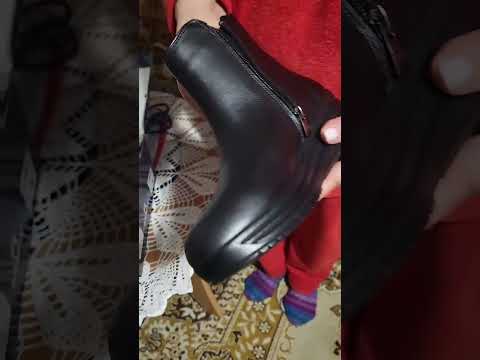
- wearing correct and comfortableorthopedic shoes,
- exercises for feet with flat feet,
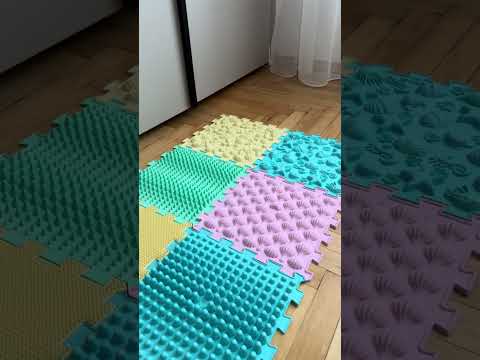
- using orthopedic mats or mandatory walking barefoot on uneven surfaces (grass, earth, sand), etc.
2. Wearing insoles is also effective for preventing flat feet. With proper support, the feet develop correctly, and the longitudinal and transverse arches of the feet are formed without pathological deviations. The choice of insoles here is determined solely by the feelings of the person who will wear these insoles. The most important criterion is that shoes with inserted orthopedic insoles should be comfortable.
The insole should completely fit on the bottom of the main insole. If the shoe has an additional insole, it should be removed, otherwise your foot will not have room on the instep, as a result of which the shoes will press and rub.
3. In adulthood, wearing orthopedic insoles is recommended for those whose flat feet have gone unnoticed and, as a result, untreated. In this case, wearing insoles is due to the effect of alleviating the condition. After all, the additional shock-absorbing properties of insoles are simply a godsend! And even the heel, which bears 120% of a person's weight during normal walking, will not be hurt by this very shock absorption.
4. Very often, orthopedic insoles recommended for wearing with flat feet are purchased by those who do not have this deformation at all. It is really more comfortable to simply walk with insoles that support the foot and cushion the step!
5. If you like rollerblading or ice skating, are into downhill skiing or snowboarding, or often play bowling, then orthopedic insoles with a longitudinal and transverse arch support will make your active entertainment even more comfortable. As a rule, specialized shoes for these sports are devoid of anatomical relief, which is physiological for the foot, with depressions and bulges in the right places. The insole will improve the situation for the better, and then your feet will not get tired.
What are orthopedic insoles made of?
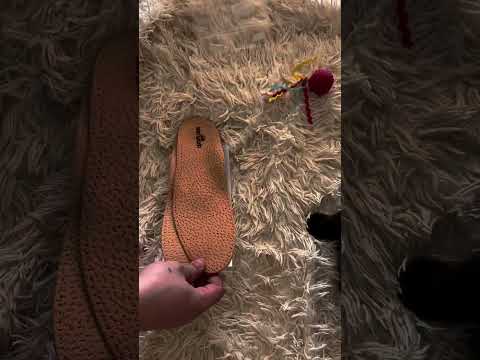
Orthopedic insoles for flat feet are made from various materials, both natural and artificial. Modern high-tech materials have long been as effective and comfortable to wear, and sometimes even superior. However, all this is individual and depends on the feelings of a particular person and the characteristics of his feet. So, what are such insoles made of? What materials are used in production? As a rule, these are:
- genuine leather;
- cork oak bark (simply put: cork);
- gel;
- latex;
- silicone;
- medifoam (elastic hypoallergenic foam);
- composite polymer EVA, etc.
Materials can be combined, for example, the top layer of the insole is made of genuine leather, and the arch support is made of latex or PVC, etc.
What is the principle for choosing insoles for flat feet?
The main task that the insoles should perform, what are they made of whatever they are made of, it is the support of the foot in its specific section. As a rule, combined support of the longitudinal and transverse arches of the foot is carried out, since longitudinal-transverse flatfoot is the most common deformation. These are the same places that are imprinted in the sand during the simplest "homemade" test for flatfoot. Remember? A person must walk on wet sand, leaving footprints, or step on a sheet of paper, making an imprint of the foot, on which paint was previously applied.
If an orthopedist has diagnosed longitudinal or transverse flatfoot, you should choose insoles with a longitudinal or transverse arch support, depending on the type of deformation. However, as a rule, universal insoles with a longitudinal-transverse arch support, aimed at simultaneously preventing deformation, are popular. The demand is due to the efficiency and, above all, the comfort that insoles provide to feet with flat feet.
The sensations from wearing insoles are individual. After all, in addition to classification by material, insoles can have different degrees of rigidity. The best way to determine which insoles are right for you is to try them on individually and monitor your own well-being.
You have chosen the right insoles if:
- you can walk longer than usual;
- you do not feel discomfort when wearing them;
- the insoles do not bother you (there may be some discomfort at first, but then it should go away because the foot will get used to the new, more physiological position);
- your feet do not get tired by the end of the day, etc.
Do insoles help with flat feet?
The answer is obvious: they definitely help. This is an excellent option for treating the deformity if it has already been diagnosed, and for preventing it if there is no diagnosis yet. However, it should be taken into account that treatment will be more effective in childhood and adolescence, when the musculoskeletal system and skeleton have not yet formed. In this case, treatment is more likely to be successful.
In adulthood, with untreated flat feet, orthopedic insoles perform a different function, no longer therapeutic, but alleviating the condition, relieving symptoms. As a rule, flat feet ignored at an early age leads to consequences, and persistent fatigue of the legs, fatigue from walking are its mildest consequences.
Yes, you will not be able to get rid of flat feet by wearing insoles, but you can alleviate your condition - and relieve it noticeably.
Where to buy insoles for flat feet?
You can buy universal insoles for the treatment of flat feet in the OLVI.UA online store of orthopedic goods. The range includes orthopedic insoles with longitudinal and transverse arch support, made from the materials listed above. In order for your insoles to blend seamlessly with your regular shoes, in addition to full-size insoles that completely cover the inside of the shoe and come into contact with the entire foot, OLVI.UA offers half insoles. This type of orthopedic insert has the same functional load, but it will definitely not compromise your stylish look if you decide to wear model open shoes.
We remind lovely ladies: if you really love fashionable shoes with heels, then let your option be "from home to a taxi and from a taxi to a restaurant". If you are reading this article, you care about your feet. You should not burden them with a race in heels. And orthopedic insoles are recommended to be worn with shoes whose heel does not exceed 4-6 cm, depending on the model.