


Injury is always a sudden stop. A fracture, sprain, or contusion not only causes pain but also knocks us out of our usual rhythm of life. But the hardest part begins when the cast is removed or the pain subsides: the body needs to regain its former strength, flexibility, and confidence in movement. This is exactly what rehabilitation after fractures and injuries is for.
Many people think that physical rehabilitation is just exercise therapy, but in reality, it is an entire science of recovery. In this article, we will clearly and simply explain what physical rehabilitation is and why it is important, and we will also talk about the key principles that will help you return to full activity faster.

What is physical rehabilitation and why is it important
If we put it simply, it is a set of measures aimed at maximizing the restoration of lost body functions after illness or injury. Physical therapy is the use of movement, heat, cold, and other physical methods — this is the true essence behind the process.Why is it so important?
- Prevention of atrophy: after an injury, the muscles do not work, so they quickly lose tone and volume. Exercise therapy and physiotherapy help them “wake up.”
- Restoring range of motion: the injured joint becomes stiff. Rehabilitation restores its mobility.
- Pain relief: proper physical rehabilitation methods reduce pain and swelling, improving blood circulation.
- Psychological confidence: successful recovery restores a person’s belief in their body and abilities.
Principles of physical rehabilitation
Effective rehabilitation is always built on three key principles. These rules are equally important in any case — whether a professional athlete is recovering, a person with average physical activity, or an older adult who moves less in daily life.- The principle of progression (from simple to complex). You cannot run a marathon right after having your cast removed. Recovery always starts with passive, easy movements and gradually progresses to active exercises and increased loads.
- The principle of individuality. The program is always selected strictly according to the condition and capabilities of a specific person. What works for one person may harm another.
- The principle of regularity. This is probably the most important point. You cannot train one hour a week and expect miracles. It is better to practice for 15–20 minutes every day. This is the key to success!
Methods of physical rehabilitation
Despite the complex name, the types of physical rehabilitation are very clear and logical. They are divided into three major directions, which are most often used together.- Movement (kinesiotherapy). This is the foundation — exercise therapy after injuries. Sessions can be active (when a person moves on their own) or passive (when movement is performed by a specialist who uses special rehabilitation equipment. For example, an arm orthosis helps develop the joints of the arm — shoulder, elbow, wrist, fingers — and Olvi offers various orthoses depending on the area of application. Movement helps restore muscle strength and joint flexibility.
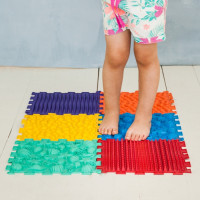
- Manual and mechanical techniques. This includes massage, which improves blood flow, relieves pain, and relaxes tense muscles. It also includes different types of self-massage using balls or massagers.
- Physiotherapy. The use of natural or artificial physical factors: heat, cold, electrical current, magnetic field, laser. These methods work at the cellular level, accelerating tissue healing and reducing inflammation.


Stages of physical rehabilitation
The recovery process is always a path divided into several segments or stages. Each stage may vary in duration, but the sequence always remains the same.- Immobilization (primary) stage. This is the period immediately after an injury. The main goal is to reduce inflammation and pain. At this stage, it is important to ensure rest, immobilize, and stabilize the injured body part. Cold is often used.
- Post-immobilization (functional) stage. This is the most active period when mobility must be restored and muscles strengthened. Active but measured movement is recommended. Exercise therapy sessions focus on stretching and restoring range of motion.
- Training (restorative) stage. At this stage, a person prepares to return to normal life or sports, maximizing muscle strength. Here, more advanced rehabilitation tools are used — robotic devices, trainers for developing endurance and coordination, and more.
Remember that rehabilitation is not a sprint but a marathon. But with the right support and Olvi’s tools, you will definitely reach a successful and long-awaited finish!