

Women's Footwear for Hallux Valgus

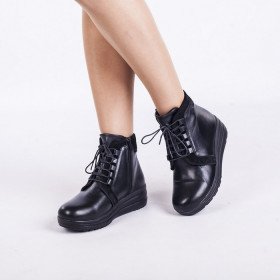
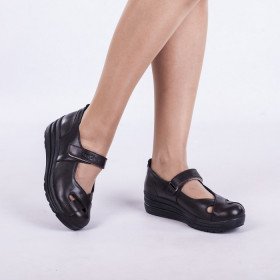
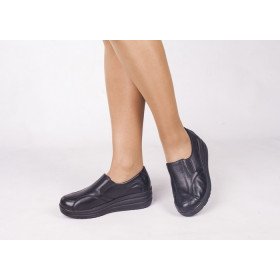

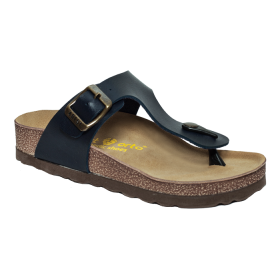
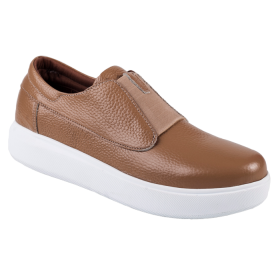
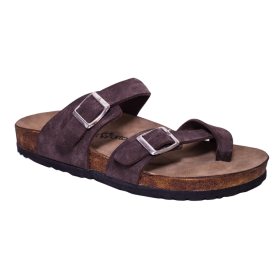
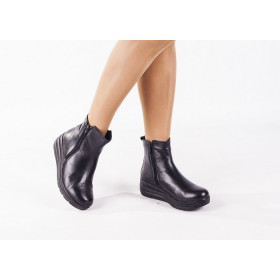
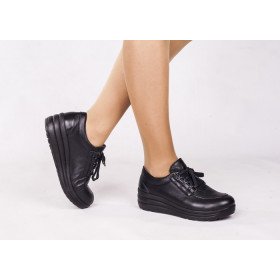
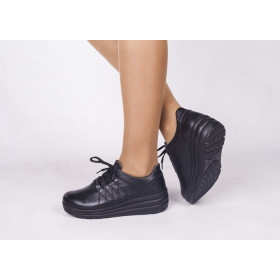
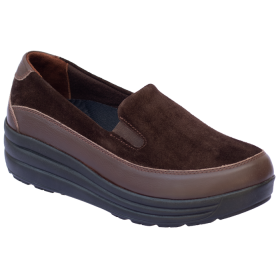
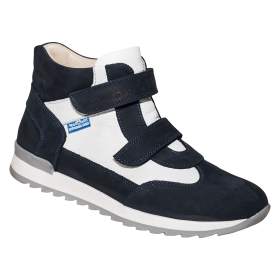
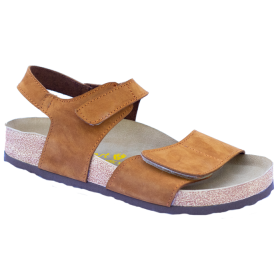
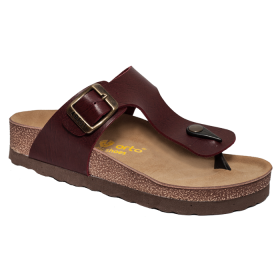
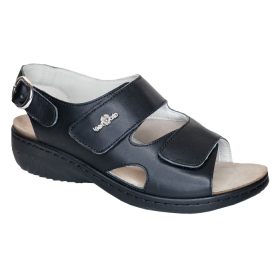
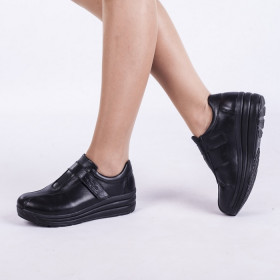
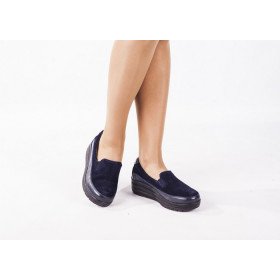
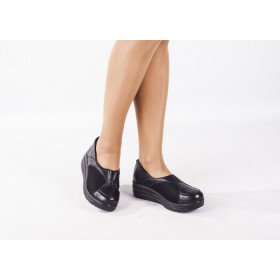
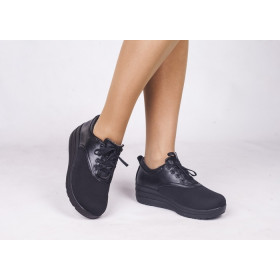
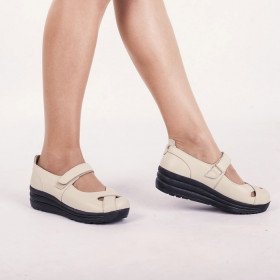
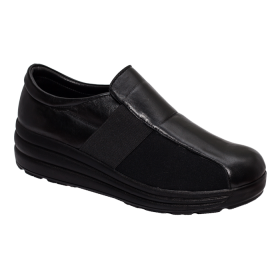
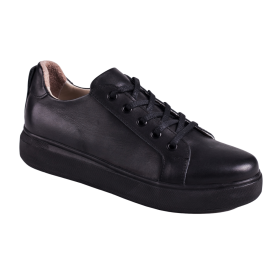
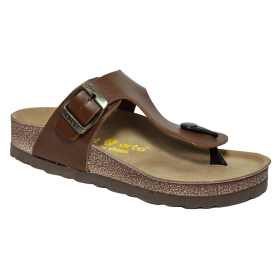
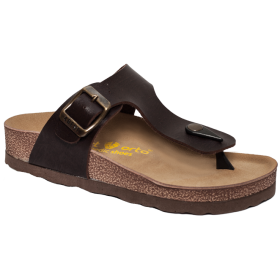
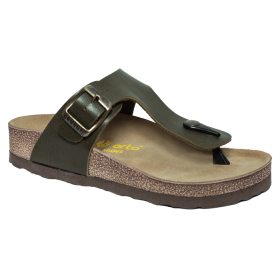
Orthopedic shoes for the problem of Hallux valgus
People who have encountered such a problem, even at the initial stage of this unpleasant deformation, know how difficult it is to choose shoes for feet with the problem of a protruding bone. They know how difficult it is to find stylish shoes for problem feet or with bumps. There is probably no point in delving into theoretical descriptions and sprinkling medical terminology: if you are on this page, then you are probably not interested in your problem as such, but in how to avoid discomfort when it is present. And the only solution you need now is to buy orthopedic shoes for hallux valgus. Here we will tell you which model is better to choose, what are the general requirements for adult orthopedic shoes, and also provide an illustrative analysis using the example of our orthopedic shoes for women Ortex, which will help to cope with discomfort.
Halgus deformity in the area of the metatarsophalangeal joint of the big toe causes a lot of inconvenience. By the way, this is a fairly common pathology; Of course, it is unlikely that anyone will be consoled by the thought that someone else suffers from a similar diagnosis, but the statistics are as follows.
This curvature is noticeable to the naked eye and is accompanied by unpleasant, sometimes painful sensations when wearing shoes. That is why people with a protruding bone need special shoes so that every exit from the house does not turn into cruel and painful torture.
Moreover, as one of the consequences of such a curvature, if you do not pay attention to it and step over the pain, putting on your everyday shoes or shoes out of habit, a person is at risk of arthrosis of the joint. So, you shouldn’t ignore a protruding bone – it’s much better to choose special shoes and stop experiencing daily discomfort (at best), which with every step develops into unbearable suffering.
What shoes should you choose if you have a protruding bone (hallux valgus)?
This is a key question when buying shoes. Therefore, the following conclusions will be of great interest to you. So…
The two main criteria that must be met without fail, no, even like this: MANDATORY!!! are comfort and a sufficiently spacious front part of the shoe in the toe area. At the same time, comfort is not a transient property, but a permanent one, and you should feel it when trying on, and not three days after purchase or a week after the shoes have been worn in. No, this is not your case – the shoes do not wear in, and the problem will remain and even get worse. So follow the iron rule: put on the model in the store, take a couple of steps, if it is comfortable - analyze it by other criteria, if it is uncomfortable - take it off without delay and continue searching.
A spacious toe box is needed to avoid any pressure on the bone, toes and joints of the foot, because even the slightest friction between the toes and pressure should be excluded.
Next, point by point:
- elastic and light sole;
- no heels! Yes, the heel is raised, but no more than one and a half to two centimeters: this is its physiologically correct position;
- natural, high-quality, environmentally friendly materials to keep your foot from steaming and to remove excess moisture;
- soft orthopedic insole and lining;
- arch support;
- the presence of an elastic insert in the area of the protruding bone;
- comfortable, adjustable fasteners that do not upset the foot (Velcro with a long fixing strip or laces are ideal).
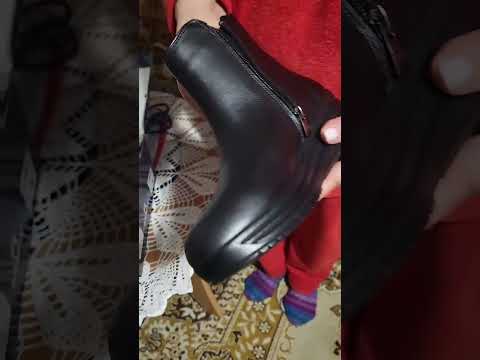
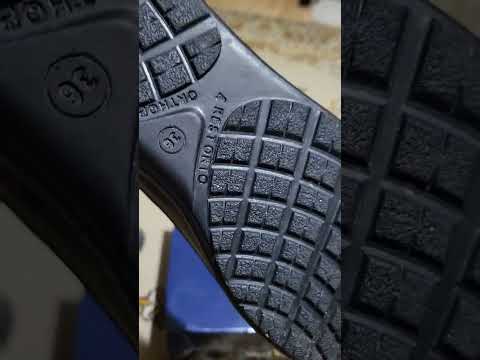
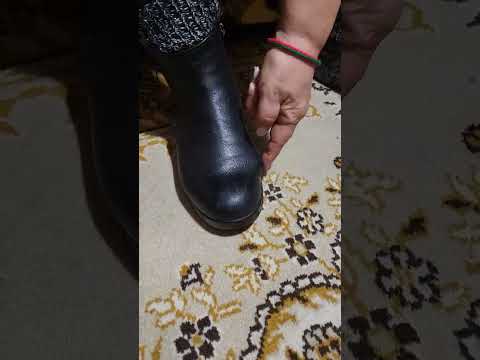
Orthopedic shoes for a protruding bone, known under the name Ortex, meets the listed requirements. We use genuine leather in combination with elastic neoprene - the material fits the problem area exactly to the extent necessary, eliminating compression, rubbing and pinching of tissues. The multi-layer lining protects the foot from unpleasant painful sensations, and the spacious toe eliminates any discomfort. Moreover, our shoes look beautiful from an aesthetic point of view, because they remain fashionable and irresistible, even despite such problems as protruding bones on the foot.
Halgus deformity in the area of the metatarsophalangeal joint of the big toe causes a lot of inconvenience. By the way, this is a fairly common pathology; of course, it is unlikely that anyone will be consoled by the thought that someone else suffers from a similar diagnosis, but such are the statistics. About how to prevent its progression and restore comfort to your feet in the article:Adjustable hallux valgus bandage - how to stop hallux valgus.