

Orthopedic insoles supinators

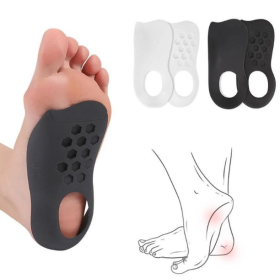
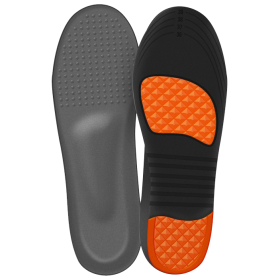
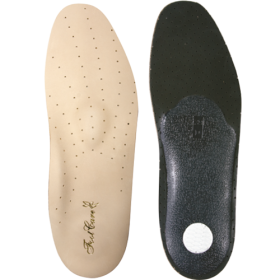
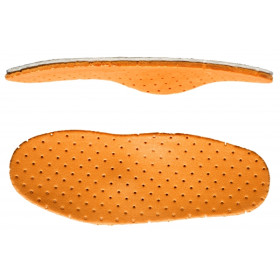
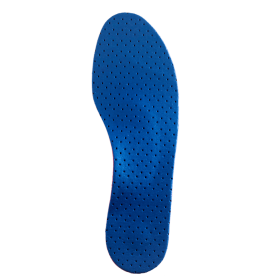
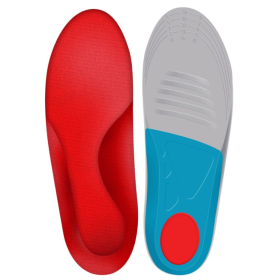
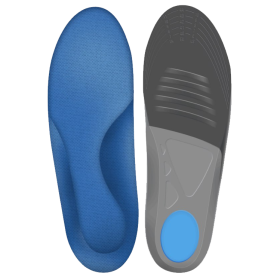
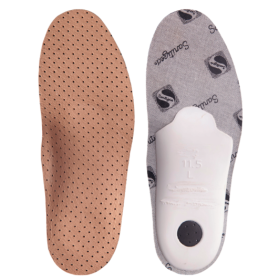
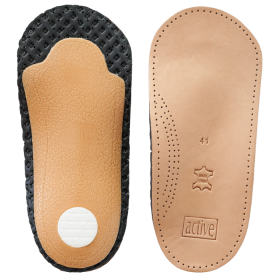
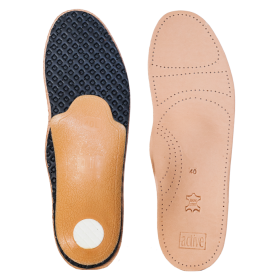
Why do you need orthopedic insoles with a supinator?
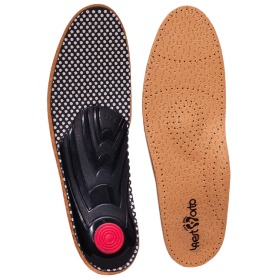
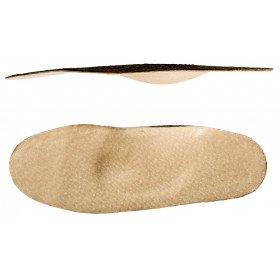
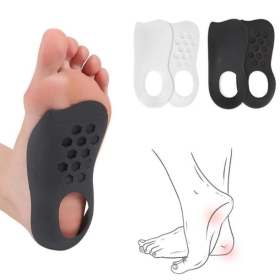
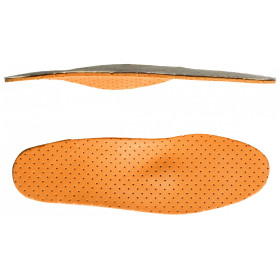
To prevent or correct foot deformities, as well as to alleviate the condition with diagnosed but not cured incorrect foot placement (longitudinal, transverse or combined flatfoot, flatvalgus placement), orthopedists recommend wearing orthopedic insoles with supinators. Such insoles are inserted into shoes, and wearing them is part of a comprehensive impact on existing deformities.
It is these insoles with a supinator, preventive or corrective, that you can buy in this section of the online store. The size charts of the models presented in this section cover sizes from 21 to 44 in total.
How do orthopedic insoles work?
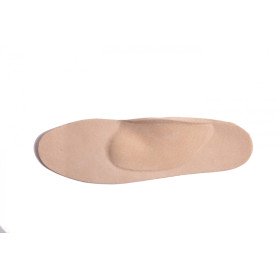
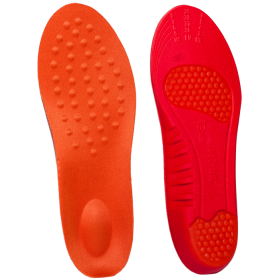
The most common type of this category is insoles with a longitudinal-transverse insoles that act on the longitudinal and transverse arches of the foot.
The insoles support the corresponding parts of the foot in an anatomically natural position, correctly and evenly distributing the load. Thus, orthopedic insole is involved in the complex treatment of foot placement.
If the deformation can no longer be corrected, and the consequences have already had an effect - they are felt in the form of persistent fatigue, rapid fatigue while walking - then insoles with a supinator will reduce foot pain and allow you to stay on your feet for a longer time.
What are orthopedic insoles made of?
Orthopedic insoles with a supinator can be made of various materials:
- natural high-quality leather;
- cork oak bark (you probably know this material by the name "cork");
- EVA - composite polymer material;
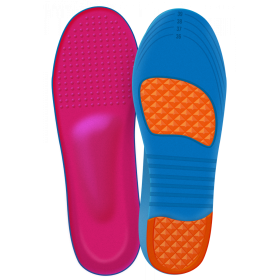
- Medifoam (highly elastic foam, or foamed polyurethane foam is a hypoallergenic synthetic material characterized by elasticity).
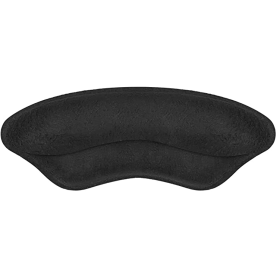
The materials can be combined, for example, the body of the insole is made of leather or cork, and the arch support itself is made of PVC, or latex, etc.
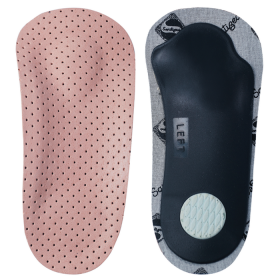
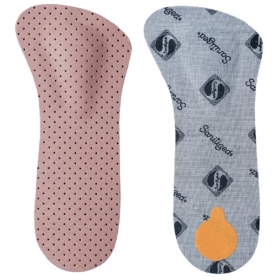
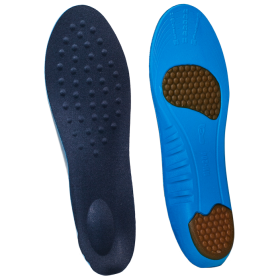
Insole arch supports also vary in size. This does not mean the size of theorthopedic shoes, but the length of the insole itself in accordance with the length of the foot. That is, there are models that are in complete contact with the entire foot, as well as half-insole models that only cover part of the foot. The former are ideal for closed shoes. Half-insoles are great for open shoes - sandals, sandals, in fact, for those elegant models where extra details will be noticeable and not very aesthetic.
Who should wear insoles with arch supports?
If you want to prevent the occurrence of many serious diseases of the joints, spine, which, as we know, begin with the same flat feet, as many think, banal and not so dangerous, wear insoles with an arch support, providing the correct support for the muscles and ligaments of the foot.
If you have discovered that the incorrect positioning of the feet is already present and needs correction, then with the right approach, affecting the deformation in a complex, it can be corrected (most often in childhood). Here, orthopedic insoles will also play an important role.
If the deformation was not corrected at the time, and its occurrence was aggravated by indifferent ignoring, then the consequences in the form of constant fatigue, painful sensations in the legs and back are probably already present. Orthopedic insoles for adults will help alleviate the condition caused by combined flatfoot. Yes, flat feet can no longer be corrected, but with orthopedic insoles your feet will at least not get tired so quickly, and you will experience less discomfort and pain.
Wearing orthopedic insoles also alleviates the condition with diagnosed varicose veins.
How to properly wear orthopedic insoles with a supinator?
Considering the degree of foot deformation or concomitant diseases, choose the type of insoles that is suitable for a specific condition. If you cannot figure out which model is right for your case, consult a specialist. Store consultants will also help you make a choice.
The insoles are designed to be worn in everyday shoe models.
The insoles should be placed inside the shoe, positioning them in such a way as to ensure fixation of the orthopedic insert. The insole should not "move" or "walk" inside the shoe, and the insoles should be positioned exactly in accordance with certain sections of the foot, providing support for its longitudinal and transverse arches.
Follow the instructions for caring for the orthopedic insert.
Please note that wearing insoles is contraindicated in the presence of open wounds or inflammatory processes on the skin of the feet. Be especially careful with diabetic foot syndrome (in this case, wearing special insoles recommended specifically for this problem is indicated).